
Patient Monitoring Guides: ECG Placement, Hospital Monitor Reading, SpO2 Sensors, NIBP Cuffs & Troubleshooting
Blood Pressure Cuff Size Chart: NIBP Cuff Selection Guide (2026)
Finding the perfect NIBP cuff can be overwhelming with so many options. But don’t worry — this guide simplifies the process! Whether you’re in the ICU, ER, or neonatal unit, we’ll help you pick the right blood pressure cuff for your needs. Let’s dive into the key information you need.
SpO₂ Sensors: Types, Accuracy, Placement & How to Choose
This guide explains how SpO₂ sensors estimate arterial oxygen saturation using red (~660 nm) and infrared (~940 nm) light and a photodiode, then compares transmissive (finger/toe/earlobe) and reflective (forehead/chest) technologies and where each works best. It outlines sensor options by patient group, when to choose disposable vs. reusable models, and practical ways to prevent common accuracy issues like motion, poor perfusion, ambient light, and nail polish.
Step-by-step placement tips, connector/compatibility basics, and key safety and biocompatibility standards help clinicians select the right probe for their monitors and workflows.
A quick decision guide and troubleshooting matrix streamline day-to-day use. The article also highlights MedLinket’s quality, compatibility support, and fulfillment strengths, with links to disposable sensors and an earlobe probe for challenging sites.
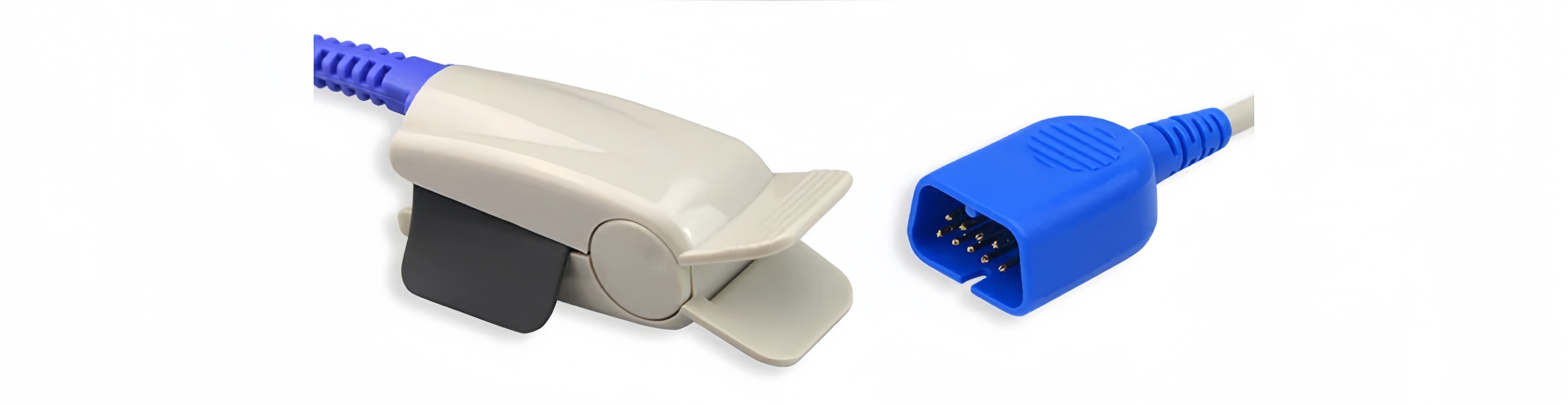
SpO2 Sensors for GE, Philips & More: Med-Linket’s Top Picks
Discover Med-Linket’s FDA-approved SpO2 sensors for seamless integration with GE, Philips, and Nellcor systems. Ensure accurate monitoring with ISO-compliant solutions. Shop now!
