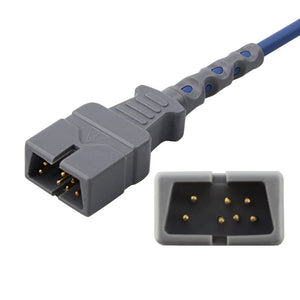
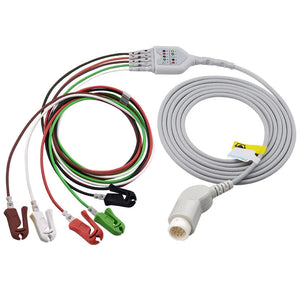
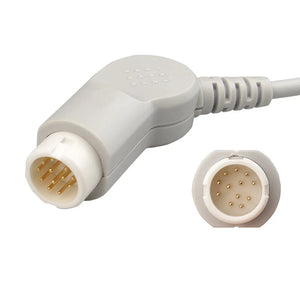
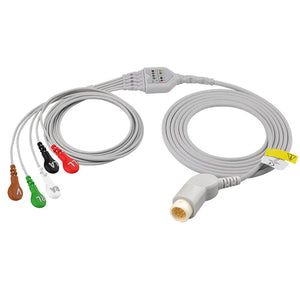
A practical veterinary monitoring accessory kit maps each parameter to the correct host device, reusable connection, and patient-contact product: SpO₂ sensors, ECG leads and electrodes, NIBP cuffs and hoses, temperature probes, and EtCO₂ sensors or sampling consumables. Build the kit around your caseload, then confirm the exact monitor model, parameter technology, connector, patient size, intended site, cable length, and reusable or single-patient-use requirement before ordering.
This guide brings the Veterinary Monitoring series into one purchasing workflow: define the parameters your clinic monitors, map each one to its host device and patient-contact accessory, then document compatibility, sizes, consumables, and backup stock.
Use the linked clinical guides for placement and measurement technique, then return here to convert those requirements into compatible accessories, spare stock, and purchasing information.
The principle behind the kit A monitor is only as good as the accessory touching the patient, and animals span an enormous range of species, sizes, and sites. So a veterinary kit is not one of each — it is the right coverage per parameter across your caseload. The sections below map each parameter to the accessories and the deeper guide, then give a build-your-kit checklist.
Article contents
The five parameters and what each needs
Each monitoring parameter requires a defined set of accessories. The cards below summarize the coverage a mixed clinic may need and link to the technique guide for each parameter.
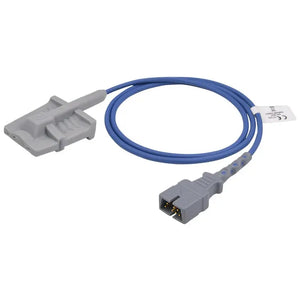
Stock a tongue-clip option for routine anesthetized patients, a flexible multi-site sensor for anatomy or procedure constraints, and backup cables or sensors appropriate to the monitor technology.
Placement → · Which sensor →Stock a measured cuff range, compatible hose and connector, and an animal-appropriate oscillometric monitor or Doppler workflow.
Select the final cuff by circumference—not by breed name.
Cuff sizing →Limb leads and electrodes that hold contact through fur, in 3-lead and 5-lead configurations, matched to your monitor's color standard.
Lead placement →Match reusable or single-patient temperature probes to the thermistor family, connector, measurement site, cleaning instructions, and host monitor. Match EtCO₂ accessories to mainstream or sidestream technology and the airway circuit.
Anesthesia monitoring →The build-your-kit table
Use this table as a procurement framework. Priorities vary by procedure, species, monitor fleet, infection-control policy, and the attending veterinarian’s protocol.
| Parameter | Priority | Accessories to stock | Sizing / notes |
|---|---|---|---|
| SpO₂ | Essential | Tongue clips; Y-type multi-site sensor; handheld probe | Cover routine + difficult (cat/large-animal) sites |
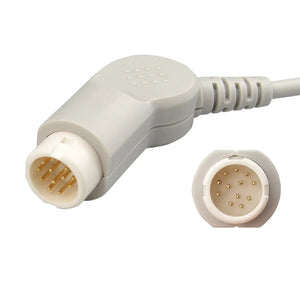
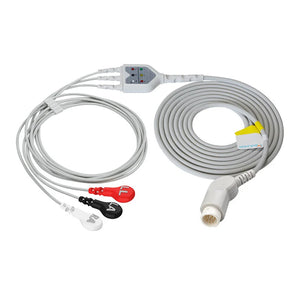
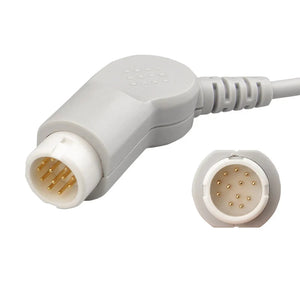
| ECG | Essential | Lead wires; electrodes/clips (3- & 5-lead) | AHA or IEC to match monitor; fur contact |
| NIBP | Essential | Cuff range; oscillometric BP monitor for animals | Full size range: cats/toy dogs to giant |
| Temperature | Essential | Temperature probes; active warming | Fights perioperative hypothermia |
| EtCO₂ | Recommended | Sidestream/mainstream sampling + consumables | For intubated/anesthetized patients |
| Spares & consumables | Recommended | Adapter cables; single-use items; backups | Avoid downtime from one failed part |
| IBP / advanced | Optional | Pressure transducer (referral/critical) | For complex cases per the veterinarian |
Warranty coverage is not a replacement schedule
Six- and twelve-month figures in MedLinket catalog materials describe warranty categories for selected reusable accessories.

They are not mandatory discard dates, guaranteed service-life claims, or instructions to replace a functional item on a fixed calendar.
| Category | Accessory examples | What it does not mean |
|---|---|---|
| No warranty | Disposable products | It does not remove the need for packaging, expiry, lot, and receiving checks. |
| 6 months | Reusable NIBP cuffs; reusable ECG/EEG electrodes and lead wires | It is not an instruction to discard a functional item at six months. |
| 12 months | Reusable SpO₂ sensors and extension cables; temperature probes; ECG patient cables and leads | It is not a guaranteed service life or a mandatory annual change date. |
Compatibility and inventory checklist
- Record the manufacturer and complete monitor or module model—not only the brand.
- Identify the parameter: SpO₂, ECG, NIBP, temperature, EtCO₂, or another function.
- Capture the current accessory or OEM part number, including any suffix.
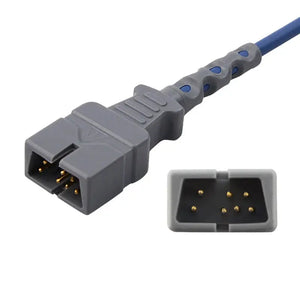
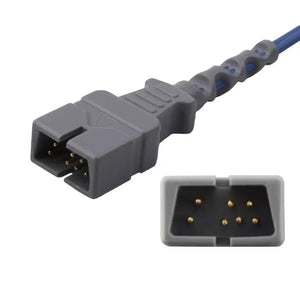
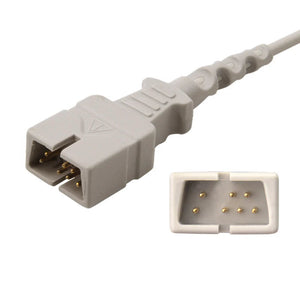
- Photograph the monitor socket, accessory connector, label, and pin layout.
- Document patient species, body-size range, intended site, and required cable length.
- For ECG, confirm electrode count, termination, and AHA or IEC cable standard.
- For NIBP, measure the cuff site and confirm hose design and connector.
- Define reusable or single-patient-use requirements, cleaning workflow, quantity, and backup stock.
- Inspect reusable accessories routinely and remove failed or damaged items from service.
Shop the veterinary monitoring range
Start with the broad veterinary collections, then move to an individual product only after the monitor model, parameter technology, connector, patient range, and intended use have been confirmed.
Why source veterinary monitoring accessories from MedLinket
A consolidated supplier can simplify documentation, compatibility checks, and purchasing, but every accessory still requires product-level verification for the exact monitor, configuration, intended use, and destination market.
- Dedicated veterinary product structure. MedLinket materials separate animal-use monitoring devices and veterinary SpO₂, ECG, temperature, NIBP, and EtCO₂ accessory families from human-use products.
- Parameter-to-accessory coverage. The product system includes sensors, cables, cuffs, hoses, electrodes, temperature probes, and EtCO₂ components used to connect monitoring parameters to patients.
- Compatibility-first workflow. Monitor model, parameter technology, connector, cable configuration, patient size, and intended site can be checked together instead of relying on plug appearance or a broad brand label.
- Product-level documentation. Specifications, warranty, registration, certification, and market availability should be confirmed for the exact SKU and destination before ordering.
Learn more on the MedLinket company page, review product certifications, or send a compatibility request.

Frequently asked questions
What do I need to monitor patients in a veterinary practice?
Are six and twelve months mandatory replacement intervals?
Should I buy reusable or single-use accessories?
Can I source all my veterinary monitoring accessories from one supplier?
Will these accessories work with my existing monitor?
What information should I send for a compatibility check?
This article provides general educational and procurement information. It is not a substitute for a veterinarian’s clinical protocol, equipment instructions, infection-control policy, regulatory requirements, or professional judgment. Product availability, specifications, certifications, warranty terms, connectors, and verified compatibility can vary by SKU, device model, configuration, and market. Third-party brand references indicate compatibility-search intent only and do not imply OEM manufacture, authorization, affiliation, or endorsement.
Back to top ↑