⚡ Quick Answer
SpO2 (peripheral capillary oxygen saturation) measures the percentage of oxygen-carrying hemoglobin in your blood. A normal SpO2 level is 95–100% for healthy adults. Readings below 90% are generally considered low and may require immediate medical attention. SpO2 is displayed on a hospital patient monitor and measured non-invasively by a pulse oximeter — a small sensor clipped to the finger, toe, or earlobe that uses two wavelengths of light (660 nm red and 940 nm infrared) to calculate oxygen saturation in real time.
📋 Key Takeaways
- SpO2 stands for peripheral capillary oxygen saturation — the percentage of hemoglobin molecules carrying oxygen in arterial blood.
- Normal SpO2 range is 95–100% for healthy adults. COPD patients may target 88–92% per physician orders.
- SpO2 below 90% is a medical concern. Below 85% is a medical emergency requiring immediate intervention.
- Regular SpO2 monitoring enables early detection of respiratory deterioration, helps prevent medical emergencies, and can reduce unnecessary ER visits — making it a cornerstone of both hospital and home-based health management.
- Common causes of false low readings include poor SpO2 sensor placement, cold extremities, patient movement, and nail polish.
- Always assess the plethysmographic (pleth) waveform on your monitor — a strong, regular waveform confirms a reliable reading.
- SpO2 is one parameter among many. Use it alongside clinical assessment, ECG, NIBP, and other vital signs for complete patient evaluation.
- SpO2 does not measure ventilation (CO2 levels). Pair it with EtCO2 monitoring when ventilation assessment is needed.
📑 Table of Contents
- What Does SpO2 Mean?
- How Is SpO2 Measured? The Science Behind Pulse Oximetry
- Why SpO2 Monitoring Matters: Clinical Significance
- Normal SpO2 Ranges by Population
- Where to Find SpO2 on a Hospital Monitor
- What Affects SpO2 Readings? True vs. False Low Values
- When to Be Concerned About Low SpO2
- SpO2 vs. SaO2 vs. PaO2: What's the Difference?
- How to Read the Pleth Waveform for Accuracy
- SpO2 Sensor Types and Selection Guide
- Clinical Tips: Getting Accurate Readings Every Time
- Frequently Asked Questions
- Related SpO2 Products & Resources
If you've ever looked at a bedside patient monitor in a hospital, ICU, or operating room, you've seen it: a number labeled "SpO2" glowing in blue or cyan, usually accompanied by a pulsing waveform. It's one of the most closely watched numbers in clinical monitoring, and for good reason — it provides a real-time window into how well oxygen is being delivered throughout the body.
Yet in clinical practice, SpO2 is often misunderstood. Research published in the American Journal of Critical Care found that many nurses, respiratory therapists, and physicians held inaccurate beliefs about pulse oximetry — beliefs that could lead to missed diagnoses or unnecessary interventions. A common misconception is that a good SpO2 means the patient is fine, without considering that oxygen saturation reveals nothing about CO2 levels or ventilation status.
This guide — created by the MedLinket clinical education team drawing on over 20 years of SpO2 sensor manufacturing and clinical feedback from 2,000+ hospitals worldwide — provides a comprehensive, clinically grounded explanation of what SpO2 means, why monitoring it matters, what normal values look like across different patient populations, how to identify true hypoxemia versus sensor-related artifacts, and how to choose the right SpO2 sensors for reliable readings.
What Does SpO2 Mean?
SpO2 stands for peripheral capillary oxygen saturation. It is a non-invasive estimate of the percentage of hemoglobin molecules in arterial blood that are bound to — saturated with — oxygen. The formula is straightforward:
SpO2 = (HbO₂ ÷ Total Functional Hemoglobin) × 100%
Hemoglobin (Hb) is the iron-containing protein in red blood cells that binds and transports oxygen from the lungs to every tissue in the body. Each hemoglobin molecule can carry up to four oxygen molecules. When hemoglobin is fully loaded with oxygen, it's called oxyhemoglobin (HbO₂); without oxygen, it's called deoxyhemoglobin (Hb). The ratio between these two forms is exactly what a pulse oximeter measures.
For example, if 97 out of every 100 functional hemoglobin molecules are carrying oxygen, the SpO2 reading is 97% — a healthy, normal value for most adults.
SpO2 has been called the "fifth vital sign" alongside heart rate, blood pressure, respiratory rate, and temperature. In clinical settings, it's routinely measured using a pulse oximeter — a small, non-invasive device that uses light-based technology to provide continuous, real-time readings without any blood draw.
How Is SpO2 Measured? The Science Behind Pulse Oximetry
Pulse oximetry relies on a principle known as spectrophotometry — measuring the absorption of light at specific wavelengths. The concept was first patented by Japanese bioengineer Takuo Aoyagi in 1972, and the first commercial pulse oximeter, the Nellcor N-100, was introduced in 1982. Since then, pulse oximetry technology has advanced dramatically through innovations by companies like Masimo (SET signal extraction technology, introduced 1998) and Nellcor (OxiMax platform).
How a Pulse Oximeter Works — Step by Step
- Light Emission: The SpO2 sensor contains two light-emitting diodes (LEDs). One emits red light at 660 nm, the other emits infrared light at 940 nm. These wavelengths were chosen because oxyhemoglobin and deoxyhemoglobin absorb them in distinctly different ratios.
- Tissue Transmission: The light passes through living tissue — typically a fingertip, toe, or earlobe — where it encounters arterial blood pulsing through capillary beds.
- Photodetection: On the opposite side of the tissue, a photodetector measures how much red and infrared light passes through. Deoxyhemoglobin absorbs more red light (660 nm), while oxyhemoglobin absorbs more infrared light (940 nm).
- Ratio Calculation: The microprocessor calculates the ratio of red to infrared light absorption, then references it against an internal calibration algorithm (derived from clinical studies on healthy volunteers) to produce the SpO2 percentage.
- Pulsatile Isolation: Crucially, the oximeter only analyzes the pulsatile component of the signal — the arterial blood that fluctuates with each heartbeat. This is why the principle is often summarized as: "No Pulse, No Pulse Oximetry."
Why SpO2 Monitoring Matters: Clinical Significance
Understanding what SpO2 is only becomes clinically valuable when paired with understanding why regular SpO2 monitoring is so important. Whether in a hospital ICU or a home care setting, tracking blood oxygen saturation can be the difference between maintaining optimal health and facing serious medical complications. Below are the key clinical reasons why SpO2 monitoring has become indispensable across virtually every area of medicine.
1. Early Detection of Respiratory Deterioration
Conditions such as chronic obstructive pulmonary disease (COPD), asthma, and pneumonia can lead to inadequate alveolar ventilation, affecting oxygen supply. A consistent downward trend in SpO2 — even before the patient shows visible symptoms — can alert clinicians to developing respiratory failure. Continuous SpO2 monitoring helps physicians promptly evaluate a patient's respiratory function and implement effective treatment strategies before a crisis occurs.
As one respiratory therapist noted on Reddit's r/respiratorytherapy community: many practitioners have caught early-stage respiratory decompensation purely because of trending SpO2 data — hours before the patient would have visibly desaturated.
2. Intraoperative and Post-Anesthesia Safety
During surgical procedures, factors like general anesthesia and surgical trauma may cause fluctuations in blood oxygen levels. Continuous blood oxygen monitoring enables doctors to detect and address intraoperative respiratory issues and complications in a timely manner. In the PACU (post-anesthesia care unit), SpO2 monitoring is mandatory for detecting opioid-induced respiratory depression — one of the leading causes of preventable postoperative death.
MedLinket's clinical feedback data from over 2,000 hospital partners confirms that facilities using continuous SpO2 sensors in PACU reported faster identification of desaturation events compared to intermittent spot checks.
3. Cardiovascular Disease Management
Heart conditions such as myocardial infarction, heart failure, and arrhythmias are often associated with hypoxia. Regular monitoring of blood oxygen saturation assists physicians in promptly addressing related issues and optimizing patient care. In heart failure patients specifically, declining SpO2 trends may indicate worsening pulmonary edema before other symptoms become apparent.
4. Prevention of Medical Emergencies & Cost Savings
Preventive monitoring can prevent emergency situations by alerting patients and caregivers to dangerous drops in oxygen levels before they escalate. Studies in telehealth literature have consistently shown that home-based pulse oximetry programs can reduce emergency room visits by 20–30% among chronic respiratory patients, leading to significant healthcare cost reductions through reduced ER visits, shorter hospital stays, and earlier intervention. Our professional-grade SpO2 sensors provide the reliable readings needed to support this kind of proactive monitoring.
5. Specialized Monitoring Scenarios
Beyond routine clinical use, SpO2 monitoring is also critical in:
High-Altitude Hypoxia Monitoring: Assessing oxygen levels in individuals exposed to high altitudes (above 2,500 m) to prevent altitude sickness. SpO2 values of 90–95% are considered normal at high altitude, but readings below 88% warrant supplemental oxygen.
Sleep Apnea Syndrome Monitoring: Evaluating oxygen saturation in patients with obstructive sleep apnea to guide CPAP therapy and track treatment efficacy. Overnight pulse oximetry can reveal repetitive desaturation patterns that daytime checks miss entirely.
Neonatal Respiratory Function Monitoring: Monitoring the respiratory health of newborns to ensure adequate oxygenation. In neonates, SpO2 monitoring is used for critical congenital heart disease screening within the first 24–72 hours of life — a practice now mandated in over 24 provinces and regions across China and many other countries.
Remote Patient Monitoring: Modern SpO2 monitoring solutions, like direct-connect sensors with Bluetooth-enabled portable pulse oximeters, enable real-time health monitoring, immediate data sharing with healthcare providers, and reduced in-person clinic visits.
These applications aid physicians in understanding patients' respiratory function and blood oxygen saturation, informing treatment plans and promoting effective health management across the full continuum of care.
Normal SpO2 Ranges by Population
SpO2 values are not one-size-fits-all. The "normal" range varies based on age, underlying conditions, altitude, and clinical context. Below is a comprehensive reference table used widely in patient monitoring settings.
| Population | Normal SpO2 Range | Concerning Level | Critical Level |
|---|---|---|---|
| Healthy Adult | 95–100% | 90–94% | <90% |
| COPD Patient | 88–92%* | <88% | <85% |
| Elderly (>70 yrs) | 94–98% | <94% | <90% |
| Infant / Child | 95–100% | <95% | <90% |
| Newborn (first 10 min) | 60–90%** | Varies by minute | Per NRP protocol |
| Newborn (>10 min, stable) | 90–100% | <90% | <85% |
| High Altitude (>2,500 m) | 90–95% | <88% | <85% |
*COPD patients may have individualized SpO2 targets set by their physician. Excessive oxygen supplementation in COPD can suppress hypoxic respiratory drive — a well-established clinical concern.
**Newborn SpO2 rises gradually after birth: approximately 60–65% at 1 minute, 65–70% at 2 minutes, reaching >90% by 8–10 minutes. For neonatal-specific SpO2 interpretation, including the critical distinction between preductal and postductal measurement sites, see our detailed guide: Preductal vs. Postductal: Interpreting Ductal Sats in Neonates.
What SpO2 do we actually care about? — A highly upvoted discussion on r/emergencymedicine where EM physicians debate the clinical thresholds that actually trigger intervention versus those that merely prompt closer monitoring.
Where to Find SpO2 on a Hospital Monitor
On most patient monitors from major brands like Philips, GE Healthcare, Mindray, and Dräger, SpO2 is displayed with the following characteristics:
| Attribute | Details |
|---|---|
| Screen Position | Usually right side or below ECG waveform |
| Label | "SpO2" (sometimes "SpO₂" or "O2Sat") |
| Color | Cyan / light blue (varies by manufacturer) |
| Units | Percentage (%) |
| Waveform | Plethysmographic (pleth) waveform — a smooth, undulating wave reflecting arterial pulse volume |
| Related Value | Pulse Rate (PR) in BPM, often shown alongside SpO2; may also display PI (Perfusion Index) |
The Perfusion Index (PI) is a valuable but often overlooked companion value. It ranges from 0.02% to 20% and indicates the strength of the pulsatile signal at the sensor site. A PI below 0.3% suggests weak perfusion and potentially unreliable SpO2 readings. At MedLinket, our portable pulse oximeters (COX601 and COX801 models) display PI alongside SpO2, giving clinicians a quick confidence check on reading reliability — particularly useful in neonatal and ICU settings where perfusion can be compromised.
For a complete walkthrough of all parameters on a hospital monitor, see: How to Read a Hospital Monitor and Interpret Key Parameters →
What Affects SpO2 Readings? True vs. False Low Values
Not every low SpO2 reading on a monitor represents genuine hypoxemia. Distinguishing between a true desaturation event and a measurement artifact is one of the most important bedside assessment skills for any clinician. An experienced critical care nurse's tip: compare the heart rate from the ECG with the pulse rate from the oximeter — if they don't match, you probably don't have adequate perfusion to the probe site.
True Low SpO2 (Clinical Causes)
When SpO2 genuinely drops, it means the patient's blood is carrying less oxygen than normal. Common causes include:
| Category | Examples |
|---|---|
| Respiratory Conditions | Pneumonia, COPD exacerbation, acute asthma, pulmonary edema, pulmonary embolism |
| Airway Issues | Obstruction, mucus plugging, bronchospasm, laryngospasm |
| Cardiac Conditions | Heart failure, congenital heart defects (especially in neonates), right-to-left shunt |
| Respiratory Depression | Opioid or sedative effects, sleep apnea, post-anesthesia hypoventilation |
| Anemia | Severe blood loss reduces oxygen-carrying capacity (though SpO2 percentage may appear normal since the ratio of saturated Hb can be preserved) |
| Environment | High altitude (reduced atmospheric oxygen partial pressure) |
False Low SpO2 (Measurement Artifacts)
False low readings are extremely common in hospital settings. Research published in the Proceedings of AMIA found that low SpO2 generated the highest number of monitor alarms (34% of total), and 81% of those were invalid. This contributes massively to alarm fatigue — a recognized patient safety crisis.
| Cause of False Reading | Why It Happens | Solution |
|---|---|---|
| Poor Sensor Placement | LED and photodetector misaligned; light doesn't pass through arterial bed properly | Reposition sensor with LED centered over nail bed |
| Cold Extremities / Poor Perfusion | Vasoconstriction reduces pulsatile blood flow, weakening signal | Warm the hand; try earlobe or forehead sensor; check PI value |
| Patient Movement / Motion Artifact | Shivering, tremors, restlessness create noise in light absorption | Wait for stillness; consider motion-resistant sensor technology |
| Nail Polish / Artificial Nails | Dark colors (especially blue, green, black) absorb light and alter the red-to-infrared ratio | Remove polish or place sensor sideways on finger; use different digit or earlobe |
| Ambient Light Interference | Bright surgical lights, sunlight, or fluorescent lighting flood the photodetector | Cover sensor with opaque material; reposition away from direct light |
| Skin Pigmentation | Darker skin tones can affect light absorption calibration in older sensor technologies | Use sensors validated across diverse skin pigmentations; verify with pleth waveform quality |
| Damaged or Old Sensor | LED degradation, cracked housing, or frayed cable reduces signal quality | Replace sensor; check replacement schedule |
When to Be Concerned About Low SpO2
Seek immediate assessment or escalate when:
| Scenario | Action |
|---|---|
| SpO2 drops below 90% with good pleth waveform | Administer supplemental O2, assess patient, notify physician |
| SpO2 drops below 85% | Medical emergency. Administer O2, call for help, prepare for ABG |
| Low SpO2 with visible cyanosis (blue lips/fingertips) | Confirm true hypoxemia, administer high-flow O2, escalate immediately |
| Low SpO2 with altered mental status or confusion | Critical sign of end-organ hypoxia; immediate intervention required |
| Low SpO2 with increased work of breathing | Respiratory distress confirmed; assess for airway, breathing, circulation |
| SpO2 not correlating with clinical picture | Check sensor, waveform, and perfusion; consider ABG for true saturation |
When the SpO2 low alarm sounds on a hospital monitor, the response algorithm follows a consistent pattern: (1) Look at the patient — are they in distress? (2) Check the pleth waveform — is the signal reliable? (3) Check the sensor — is it properly placed and functional? Only after ruling out artifact should you focus on clinical causes and interventions.
SpO2 vs. SaO2 vs. PaO2: What's the Difference?
These three values are related but fundamentally different. Understanding the distinction is essential for proper clinical decision-making.
| Value | Full Name | How Measured | Units | What It Tells You |
|---|---|---|---|---|
| SpO2 | Peripheral oxygen saturation | Non-invasive (pulse oximeter) | % | Estimate of hemoglobin oxygen saturation via light absorption |
| SaO2 | Arterial oxygen saturation | Invasive (ABG with co-oximetry) | % | True arterial hemoglobin saturation; accounts for all hemoglobin species (COHb, MetHb) |
| PaO2 | Partial pressure of arterial oxygen | Invasive (ABG) | mmHg | The actual pressure of dissolved oxygen in arterial blood; reflects lung gas exchange efficiency |
SpO2 is an estimate of SaO2. In most clinical situations they closely agree, but they can diverge significantly in the presence of dysfunctional hemoglobins, poor perfusion, or extreme values. PaO2 is a completely different measurement — it reflects the dissolved oxygen pressure, not the percentage of saturated hemoglobin. The relationship between PaO2 and SaO2 follows the oxyhemoglobin dissociation curve, which can shift based on pH, temperature, and 2,3-DPG levels.
For a deeper dive into these relationships and clinical implications, read: Understanding SaO2, PaO2 vs. SpO2 and PaO2/FiO2 Ratio for Patient Care →
How to Read the Pleth Waveform for Accuracy
The plethysmographic (pleth) waveform is your most reliable indicator of SpO2 data quality. Displayed alongside the SpO2 number on the monitor, it represents the pulsatile volume of blood passing through the sensor site with each heartbeat.
| Waveform Appearance | What It Means | Action |
|---|---|---|
| Smooth, regular, consistent amplitude | Good signal quality; SpO2 reading is reliable | Trust the displayed value |
| Small amplitude but regular | Weak perfusion at sensor site; reading may still be reasonable but check PI | Consider alternate site; warm extremities |
| Irregular, choppy, jagged | Motion artifact or electrical interference | Wait for patient to settle; secure sensor; check for interference sources |
| Flat or absent | No pulsatile signal detected | Check sensor placement; assess patient perfusion; try different site |
| Inconsistent amplitude with erratic SpO2 | Sensor loosely applied or damaged | Reapply or replace sensor |
SpO2 Sensor Types and Selection Guide
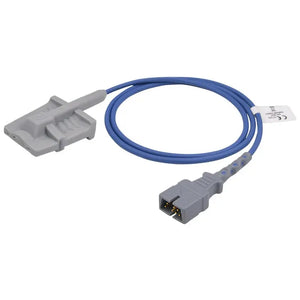
Choosing the right SpO2 sensor directly impacts measurement accuracy, false alarm rates, and patient comfort. Sensors vary by form factor, patient type, and whether they're reusable or disposable.
| Sensor Type | Best For | Pros | Considerations |
|---|---|---|---|
| Finger Clip (Reusable) | Adults, spot checks, short-term monitoring | Quick to apply; durable; cost-effective over time | Not ideal for restless patients; can dislodge |
| Soft Finger / Silicone (Reusable) | Adults and pediatrics, longer-term monitoring | Comfortable; more secure fit; better for continuous use | Requires periodic replacement (~12 months) |
| Wrap / Y-Type (Reusable) | Neonates, infants, small children | Flexible; adapts to small digits; secure wrap design | Verify sizing for patient weight range |
| Ear Clip (Reusable) | Adults with poor peripheral perfusion, cold extremities | Faster response time; less affected by vasoconstriction | Can be uncomfortable for extended periods |
| Adhesive (Disposable) | All ages; ICU, surgery, long-term monitoring | Most secure; lowest motion artifact; single-patient infection control | Single use; higher per-patient cost |
🏭 MedLinket SpO2 Sensor Compatibility
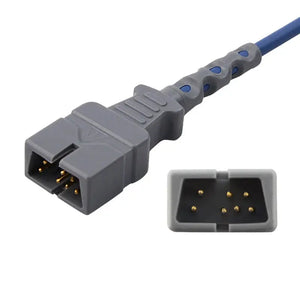
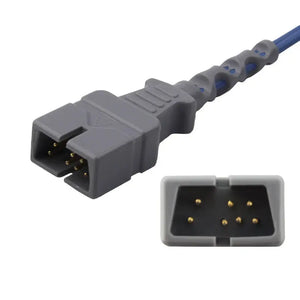
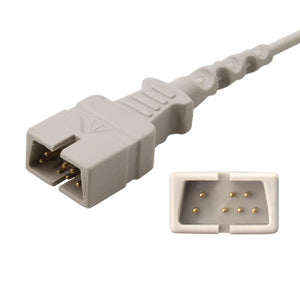
MedLinket manufactures reusable SpO2 sensors and disposable SpO2 sensors compatible with all major monitor brands, including Philips, GE Healthcare, Mindray, Masimo, Nellcor, Nihon Kohden, Comen, Biolight, and Edan. All sensors are manufactured under ISO 13485:2016 quality systems with FDA 510(k) clearance and CE marking.
Our patented over-temperature protection technology automatically shuts down the sensor if skin temperature exceeds 41°C, with automatic recovery when temperature normalizes — a critical safety feature for neonatal monitoring that prevents sensor-related skin burns.
Not sure which sensor fits your monitor? See: How to Identify Which Cables Your Monitor Needs, or contact us for free compatibility verification.
19 Clearances
48 Class II
Certified
Countries
Est.
For a broader comparison of OEM vs. compatible sensors — including cost analysis, performance benchmarks, and warranty implications — read: OEM vs. Compatible Accessories: What to Know →
Clinical Tips: Getting Accurate SpO2 Readings Every Time
Based on feedback from clinical engineers and nurses across 2,000+ hospitals using MedLinket sensors, combined with evidence-based best practices, here are the most impactful things you can do to ensure reliable SpO2 data:
6-Step SOP for Reliable SpO2 Monitoring
- Inspect the equipment: Check sensor for visible damage, cracked housing, or frayed cable. Verify the sensor is compatible with your monitor brand and model. Confirm the SpO2 adapter cable is securely connected.
- Select the right sensor type: Match the sensor to the patient population (adult finger clip, pediatric soft wrap, neonatal adhesive). Ensure the correct size — too large creates alignment errors; too small causes discomfort and artifact.
- Prepare the site: Choose a warm, well-perfused digit. Remove nail polish or artificial nails from the target finger. If extremities are cold, warm the hand first or switch to an ear clip sensor.
- Apply correctly: Position the sensor so the LED (light-emitting side) is centered over the nail bed and the photodetector is directly opposite. Ensure the sensor is snug but not tight enough to impede blood flow.
- Verify the reading: Wait 3–7 seconds for the reading to stabilize. Confirm a strong, regular pleth waveform. Cross-check that PR (pulse rate from SpO2) matches HR (heart rate from ECG).
- Monitor and rotate: For continuous monitoring, check the sensor site every 2 hours and rotate the sensor to a different digit to prevent pressure injury — especially important in neonates and patients with compromised circulation.
Frequently Asked Questions
Q: What is a dangerously low SpO2 level?
A: SpO2 below 90% is generally considered dangerous and requires immediate medical evaluation. Below 85% is a medical emergency. However, clinical context matters — a COPD patient with a baseline of 89% requires different management than a previously healthy adult at the same level. Always assess the patient alongside the number.
Q: Can SpO2 be too high?
A: For most adults, 100% SpO2 is fine. However, for premature infants, excessively high oxygen levels can cause retinopathy of prematurity (ROP) — a potentially blinding condition. Neonatal SpO2 targets are carefully managed, typically aiming for 90–95% in preterm infants. Also, in COPD patients, over-oxygenation (targeting SpO2 >96%) can suppress respiratory drive.
Q: Why does my SpO2 fluctuate?
A: Minor fluctuations of 1–2% are normal and reflect physiological variation in breathing cycles. Larger swings usually indicate sensor placement issues, motion artifact, or actual respiratory variation (e.g., sleep apnea desaturation events). Check the pleth waveform — if it's stable, the reading is likely reliable.
Q: Is 92% oxygen level OK?
A: For healthy adults, 92% is below the normal range (95–100%) and warrants attention. For COPD patients, 88–92% may be the target range per physician orders. Context is everything — 92% in a previously healthy 30-year-old with pneumonia is clinically significant, while 92% in a stable COPD patient on home oxygen may be expected. Always consult with a healthcare provider.
Q: Why does SpO2 alarm more at night?
A: Several factors contribute: natural sleep-related drops in respiratory drive, positional changes affecting perfusion, undetected sleep apnea, and the fact that sleeping patients often shift the sensor during movement. For patients on intermittent monitoring, a true sleep SpO2 may never be captured — by the time the nurse approaches, the patient wakes up and SpO2 normalizes. Continuous monitoring with quality SpO2 sensors helps capture these nocturnal patterns accurately.
Q: Does dark nail polish really affect SpO2?
A: Yes, but the effect depends on the color. Dark shades — especially blue, green, and black — can absorb light wavelengths and produce falsely low readings. Clear polish and lighter shades generally have minimal impact. The simplest solution is to remove polish from the monitoring finger, or use the sensor sideways on the finger (light passes through the lateral sides instead of through the nail bed). Alternatively, switch to an earlobe or toe site.
Q: How do I know if it's a real low SpO2 or just a sensor problem?
A: Check three things: (1) the pleth waveform — a good waveform with consistent low reading suggests true hypoxemia; a poor waveform suggests sensor issue; (2) the patient's appearance — cyanosis, dyspnea, and confusion confirm clinical hypoxia; (3) HR vs. PR correlation — if the ECG heart rate and pulse oximeter pulse rate don't match, the signal quality is poor. For more detailed guidance, see our SpO2 sensor troubleshooting guide.
Related SpO2 Products & Resources
🛒 MedLinket SpO2 Products — Compatible with 30+ Monitor Brands
All products manufactured under ISO 13485 | FDA 510(k) Cleared | CE Marked | $5M Product Liability Insurance
- Direct-Connect SpO2 Sensors — Reusable finger clip, soft finger, wrap, and ear clip sensors
- Disposable SpO2 Sensors — Adhesive and non-adhesive options for adult, pediatric, infant, and neonatal patients
- SpO2 Adapter Cables — Extension and adapter cables for all major monitor brands
- Portable Pulse Oximeters — COX601 / COX801 / MWB001 with PI, PVI, and Bluetooth connectivity
Specific product examples:
- Mindray Compatible Adult Soft SpO2 Sensor
- Mindray Compatible Adult Ear Clip SpO2 Sensor
- Mindray Compatible Neonatal Wrap SpO2 Sensor
- Masimo Compatible SpO2 Adapter Cable
- Nellcor Compatible Neonatal Wrap SpO2 Sensor
- Comen Compatible Adult Soft SpO2 Sensor
- Biolight Compatible Adult Soft SpO2 Sensor
📖 Related Articles in This Series
- Hospital Monitor Reading & Accessories Guide (Pillar Page — Start Here)
- What is a Normal Heart Rate on a Hospital Monitor?
- What Do ECG Numbers Mean on a Hospital Monitor?
- Understanding NIBP Readings: Systolic, Diastolic, MAP
- What is EtCO2 and Why is It Monitored?
- False Alarms on Patient Monitors: Prevention
- How Do SpO2 Sensors Work?
- How to Choose the Right Disposable SpO2 Sensors
- Complete Guide to Pediatric Pulse Oximeters
- Patient Monitor Accessories: Complete Guide by Parameter Type
- Accessory Replacement Schedule: When to Change
- OEM vs. Compatible Accessories: What to Know
- SpO2 Sensor Troubleshooting: Why Your Readings Are Inaccurate
Need Compatible SpO2 Sensors for Your Monitor?
Tell us your monitor brand and model. Our engineering team will verify compatibility and recommend the exact SpO2 sensor you need — free of charge. Samples available with refund on bulk order.
📧 shopify@medlinket.com💬 WhatsApp: +852 6467 3105
Disclaimer: This guide is intended for educational and clinical reference purposes. It does not replace clinical training, institutional protocols, or the advice of qualified healthcare professionals. Always consult your facility's policies and the patient's attending physician for clinical decisions. MedLinket (est. 2004, NEEQ: 833505) is a manufacturer of patient monitoring accessories — not a medical diagnostic device manufacturer.